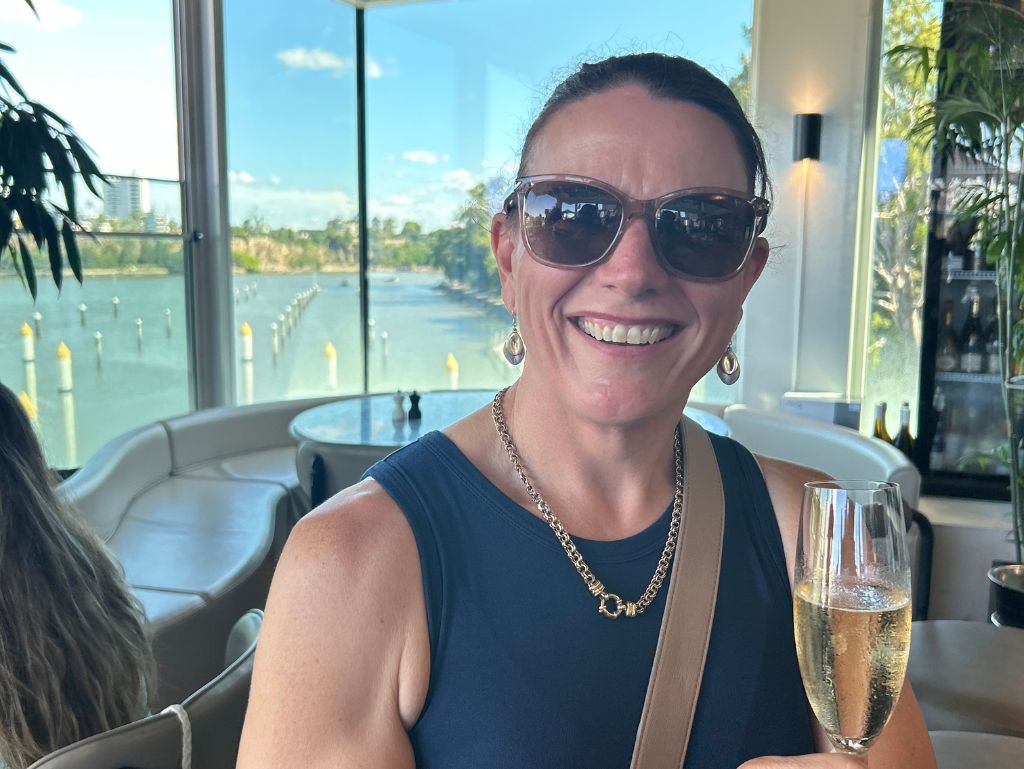

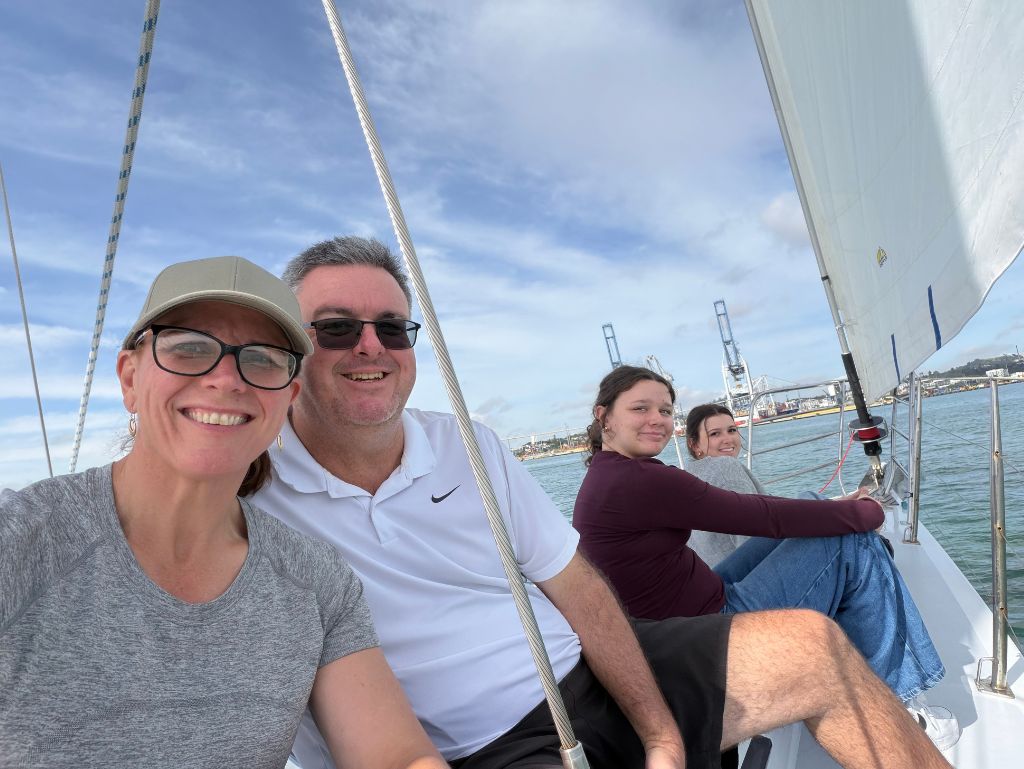
Just weeks ago, April was focused on the same things that had shaped much of her life: family, fitness and staying active. The 51-year-old wife to Jeff and mum to daughters Eva, 14, and Peta, 12, had spent the past four years working hard to get into the best shape of her life.
Then, after experiencing headaches for just three weeks, everything changed. Doctors discovered a five-centimetre tumour in the right frontal lobe of her brain. As someone who had built a successful career as an executive, the diagnosis came with an immediate concern.
“When I looked up what the right frontal lobe is responsible for, what I was worried about is that it is decisiveness, action orientated, executive function,” April said. “They were all the descriptions of what historically would have made up my personal traits in my career.”
A short time later, April underwent surgery at Royal Brisbane Hospital to remove the tumour. The operation was successful, and she is grateful that she still feels largely like herself.
While she has noticed some changes, including occasionally searching a little longer for words or names, she considers herself fortunate.
“I am happy to still be old April,” she said.
Following surgery, April was diagnosed with a grade 4 glioblastoma.
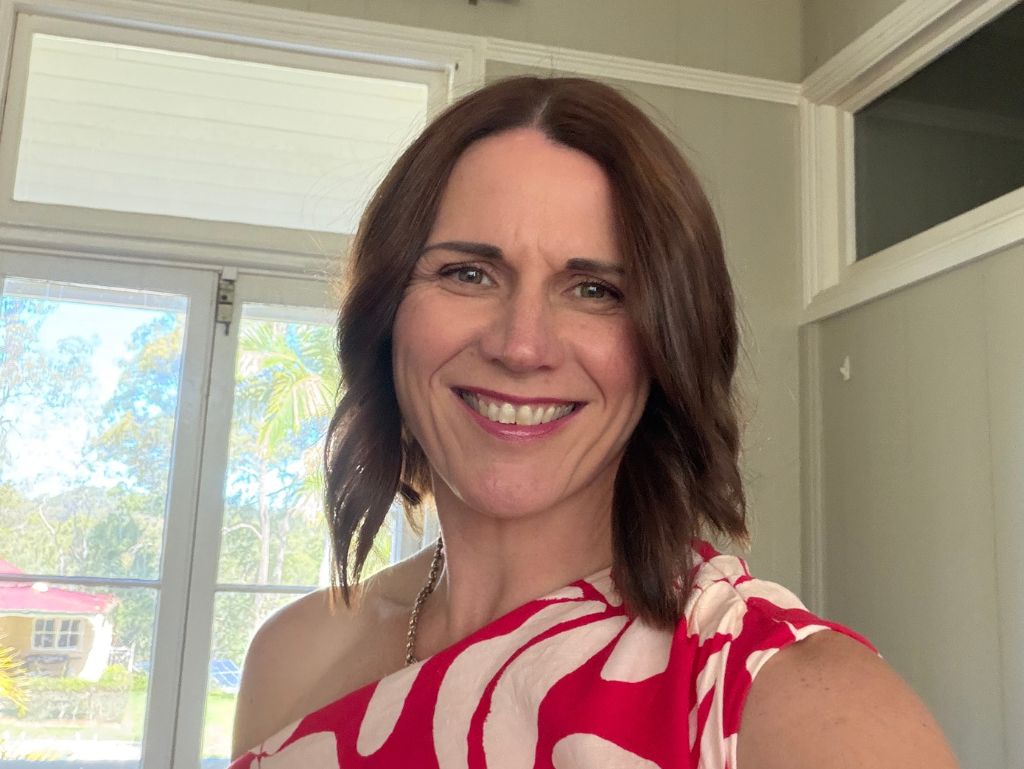
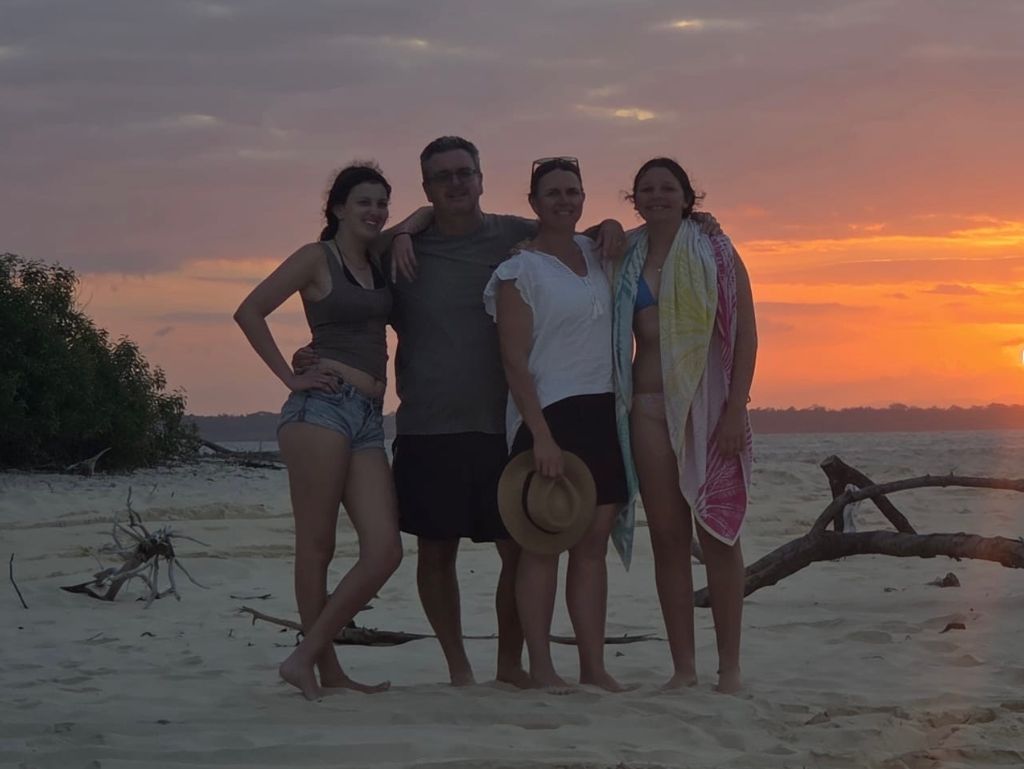
Like many people facing a serious diagnosis, she expected there would be a clear plan when she left hospital. Instead, she found herself grappling with a future full of uncertainty.
For someone who had always thrived on structure, routine and action, the adjustment was particularly difficult. April had spent years getting up before dawn to train, balancing a demanding career with family life, and managing the busy schedules that come with raising two teenage daughters.
Leaving hospital and facing days without a clear plan was something she found deeply challenging.
One of the hardest parts, she says, has been the impact on her mental health.
At 4am one morning, while sitting with a cup of tea and a piece of toast, April found herself reading through information she’d received from the Mark Hughes Foundation. It was a moment that shifted her perspective.
Rather than feeling like a bystander in her own diagnosis, she wanted to find a way to contribute.
“If I could just tell my story and be a part of something, even if it was just helping one person or supporting brain cancer in some way, I wanted to do my bit,” she said.
While many people have encouraged April to stay positive and fight, she is honest about the emotional complexity of living with a glioblastoma diagnosis.
Friends and family often tell her that if anyone can overcome the challenge, she can. They point to her resilience and lifelong ability to tackle problems head-on. But April says those well-intentioned comments can sometimes feel difficult to carry.
“People tell me, ‘You’ve got this. You can beat this.’ But the truth is, I don’t know. This is pretty tough,” she said.
That honesty sits alongside a determination to make the most of whatever lies ahead.
Last year, before her diagnosis, April made the decision to leave her job and looking back, she is grateful she chose to prioritise time with her family.
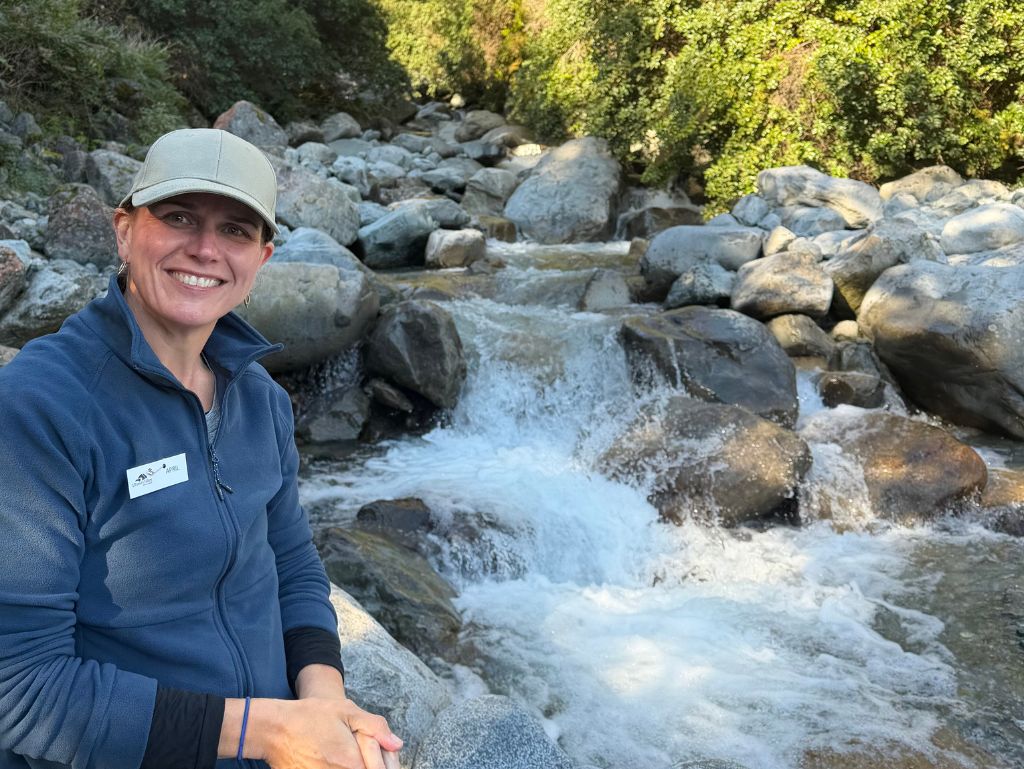
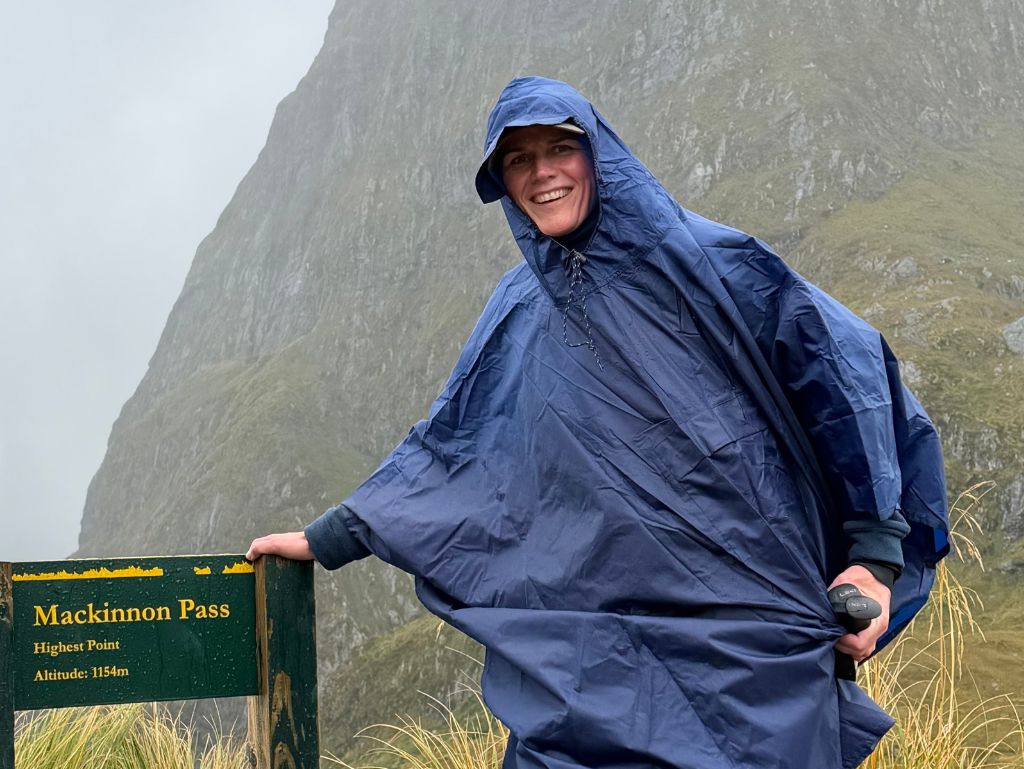
One of her most treasured memories is hiking New Zealand’s Milford Track with her eldest daughter earlier this year. The experience reinforced what matters most and sparked plans for more adventures together. Now those future experiences carry even greater significance.
“I have mountains to climb, I have stuff to do and I have memories to make with my family,” she said.
Brain cancer’s impact extends far beyond the patient. April and Jeff had been two full-time working parents, managing the logistics of work, school, sport and family life together. Now, unable to drive for at least six months, many of those responsibilities have shifted overnight.
Jeff is juggling medical appointments, future radiation treatment, shopping, school activities and the countless practical tasks that keep family life running. Meanwhile, Eva and Peta are having to grow up a little faster than expected and take on more responsibility themselves.
“Our family dynamics changed overnight,” April said.
The diagnosis has also introduced a maze of paperwork, insurance claims, superannuation processes and financial planning decisions that many people never imagine having to face.
The experience has highlighted just how difficult a diagnosis like brain cancer could be for families already under financial pressure.
Amid the challenges, however, one thing has stood out above all else: the generosity of the people around her.
“We’re incredibly lucky and I know not everyone has that support, but it also makes me really value the support and friendships that I have, ,” she said. “From people at the gym to old friends, and other parents. Everyone is willing to help out where they can.”
Perhaps one of the most unexpected lessons from her diagnosis has been what she wants from the people around her. There are days when she doesn’t want to discuss treatment plans, prognoses or medical research.
“People become awkward and think everything has changed, but sometimes I just want to feel normal,” she said. “I want to hear about your trip to Europe, your Halloween party or what your kids are up to. I want to talk about everything else.”
For all the ways brain cancer has changed April’s life, she remains the same person at heart: a devoted mum, loving wife, loyal friend and determined woman focused on making the most of every day ahead.
And through sharing her story, she hopes to bring understanding, connection and support to others facing a similar journey.