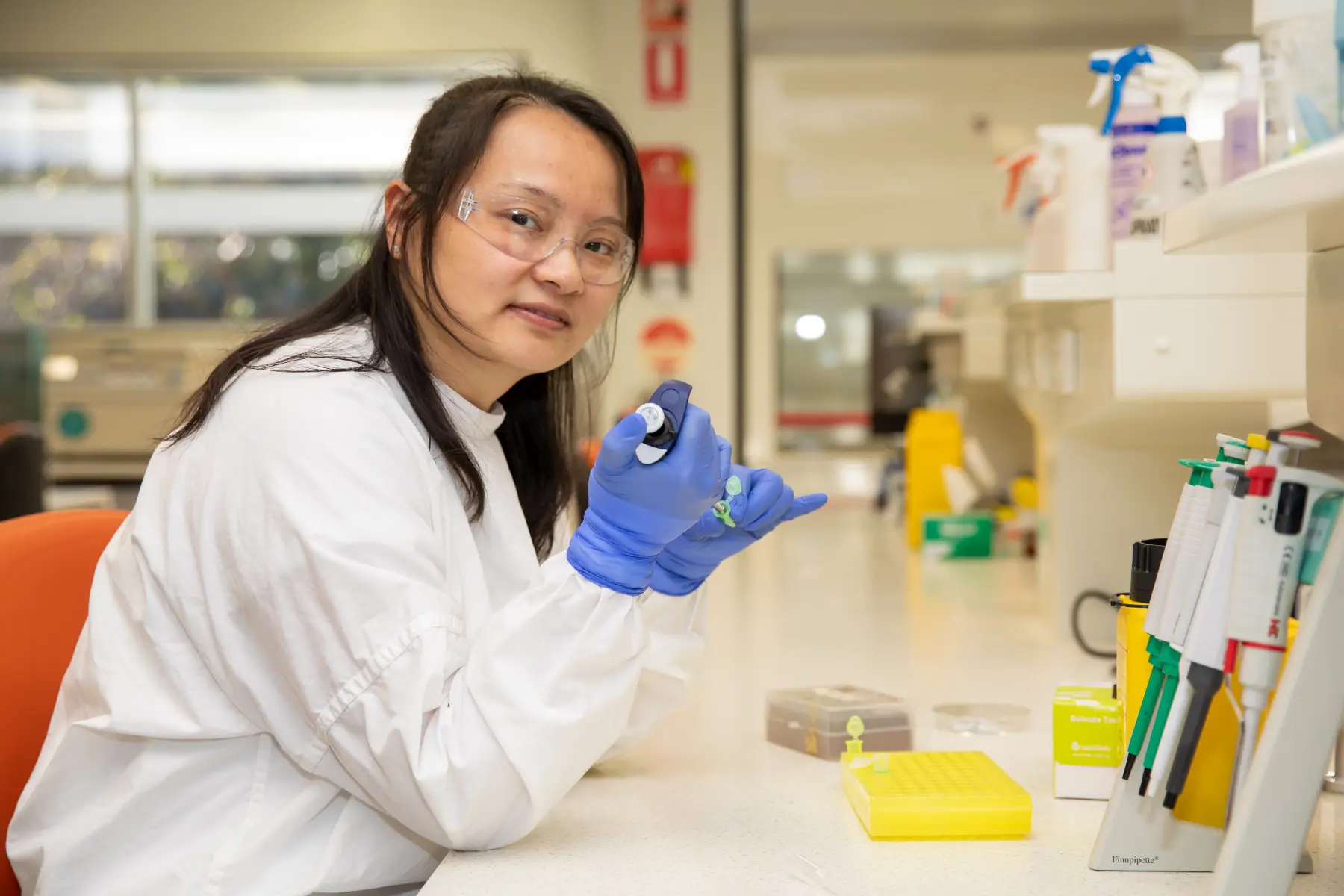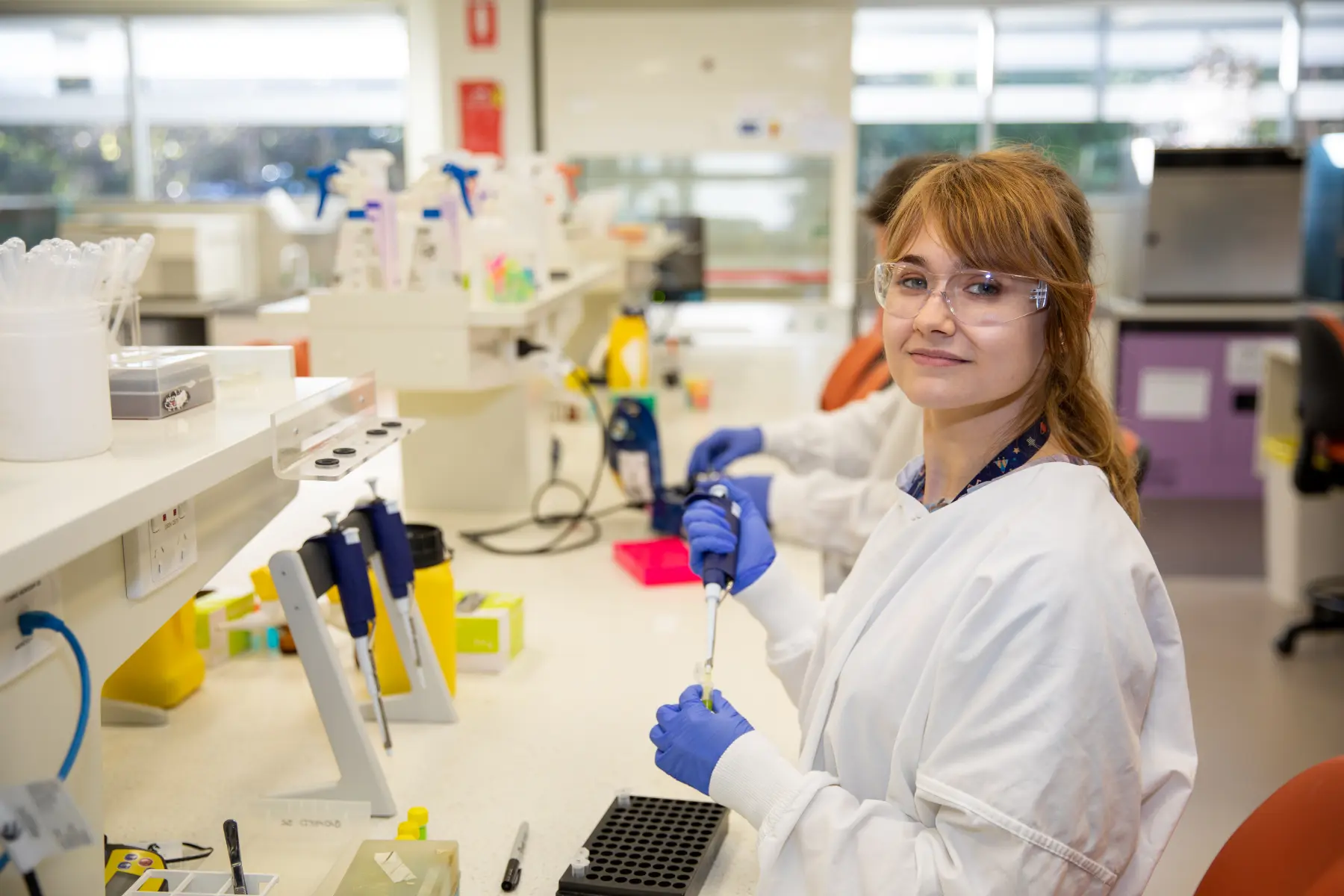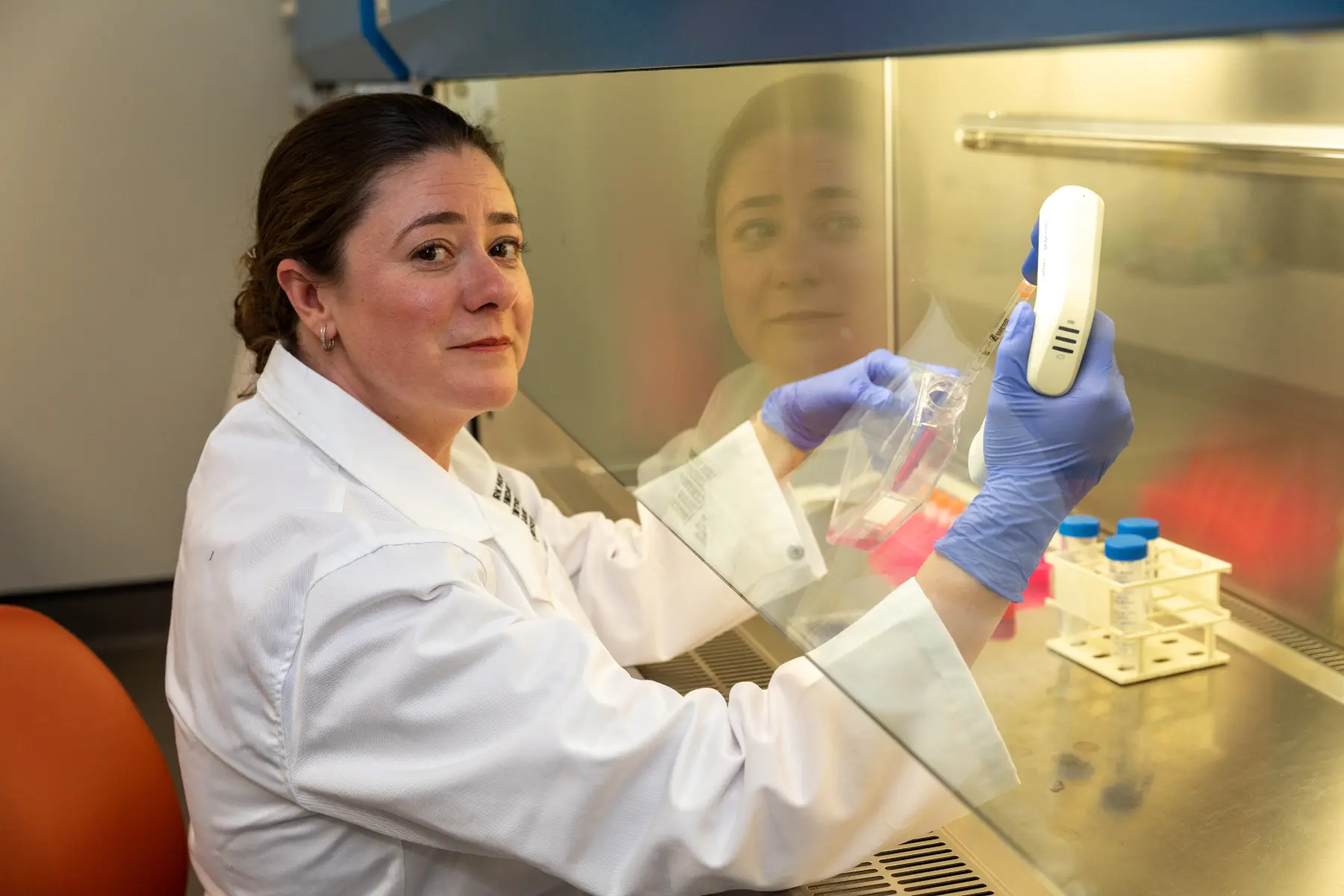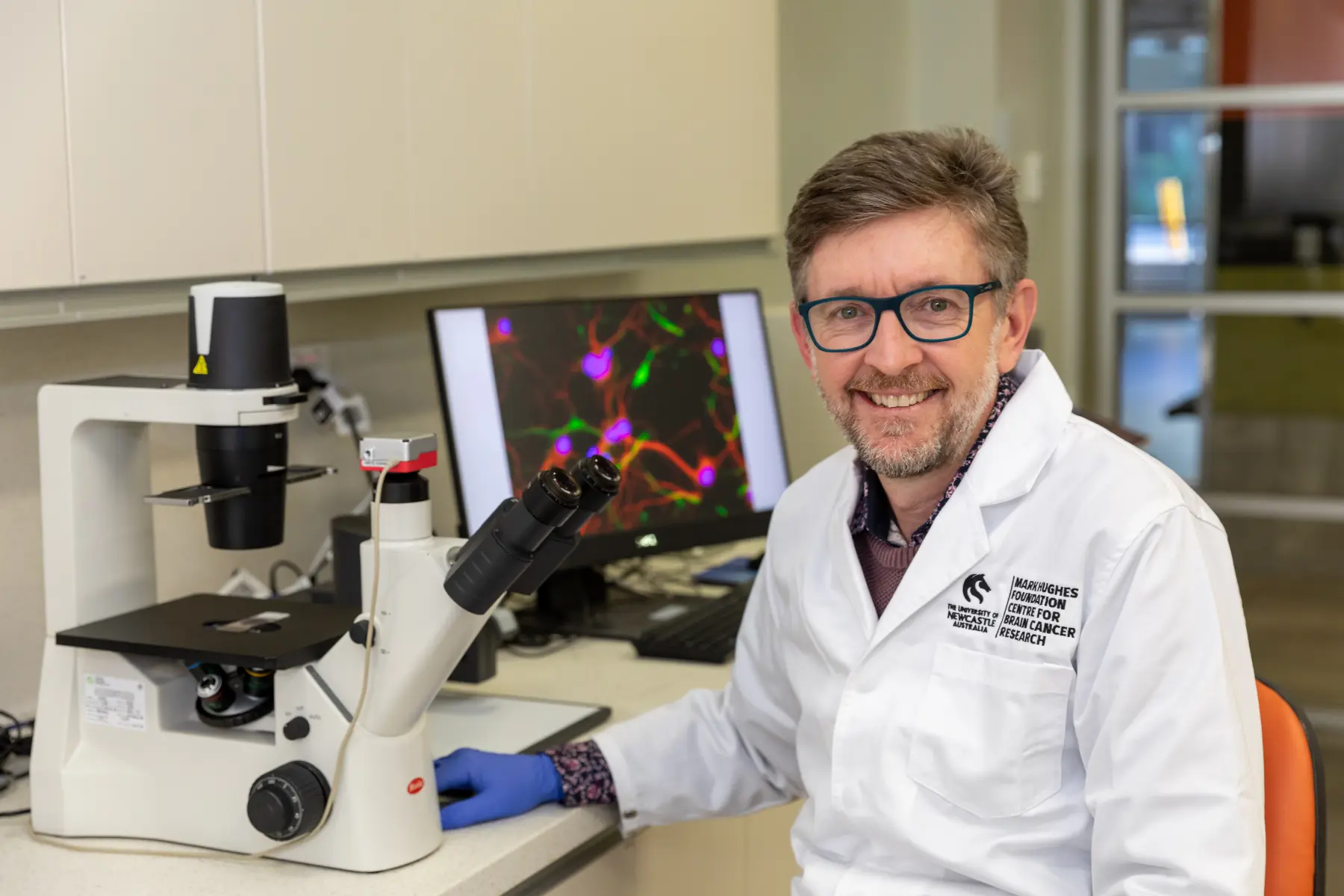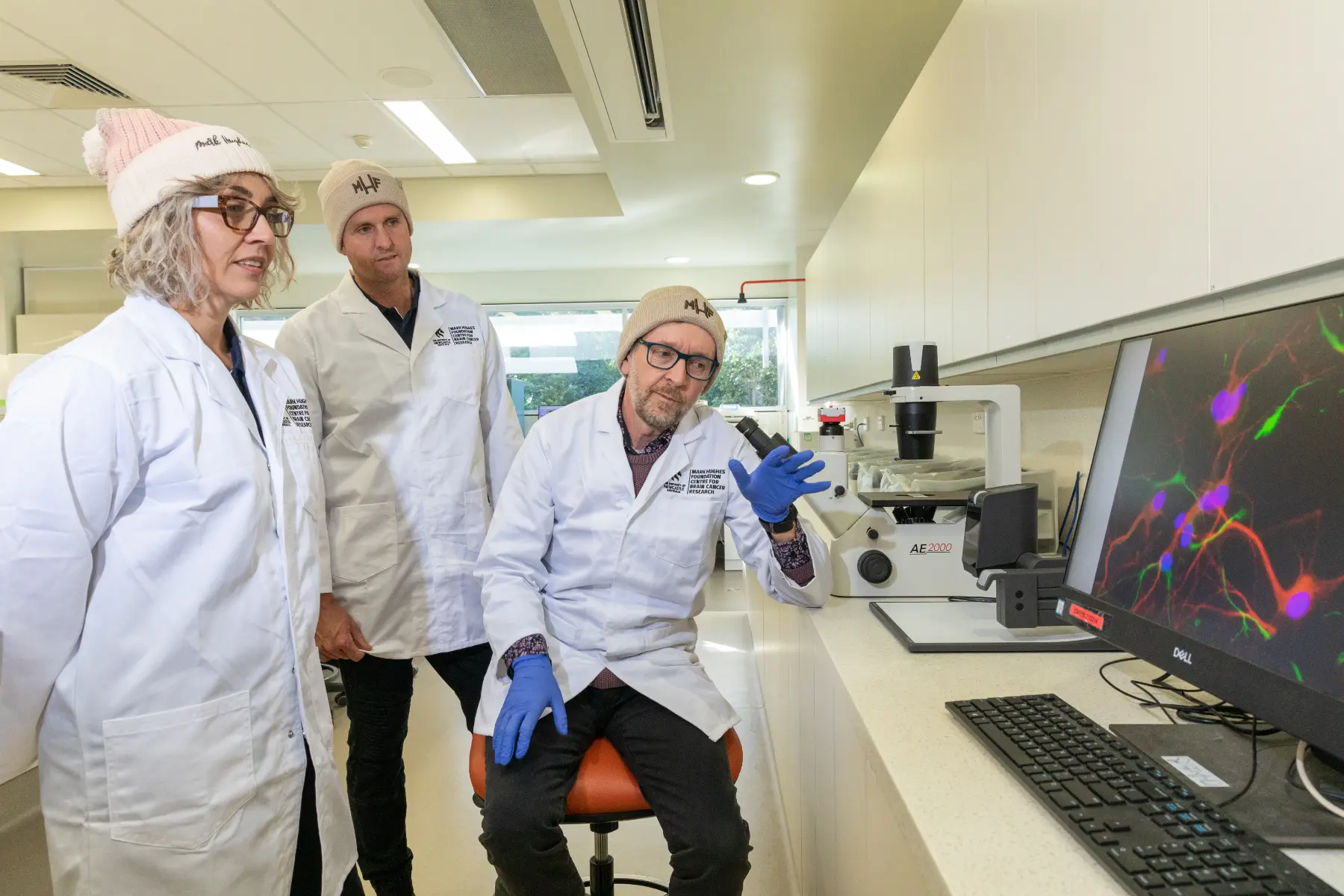


Vital brain cancer research has been boosted through increased philanthropic funding with Bekki Spratford awarded a 2026 Tour de Cure PhD support scholarship to advance their research into glioblastoma.
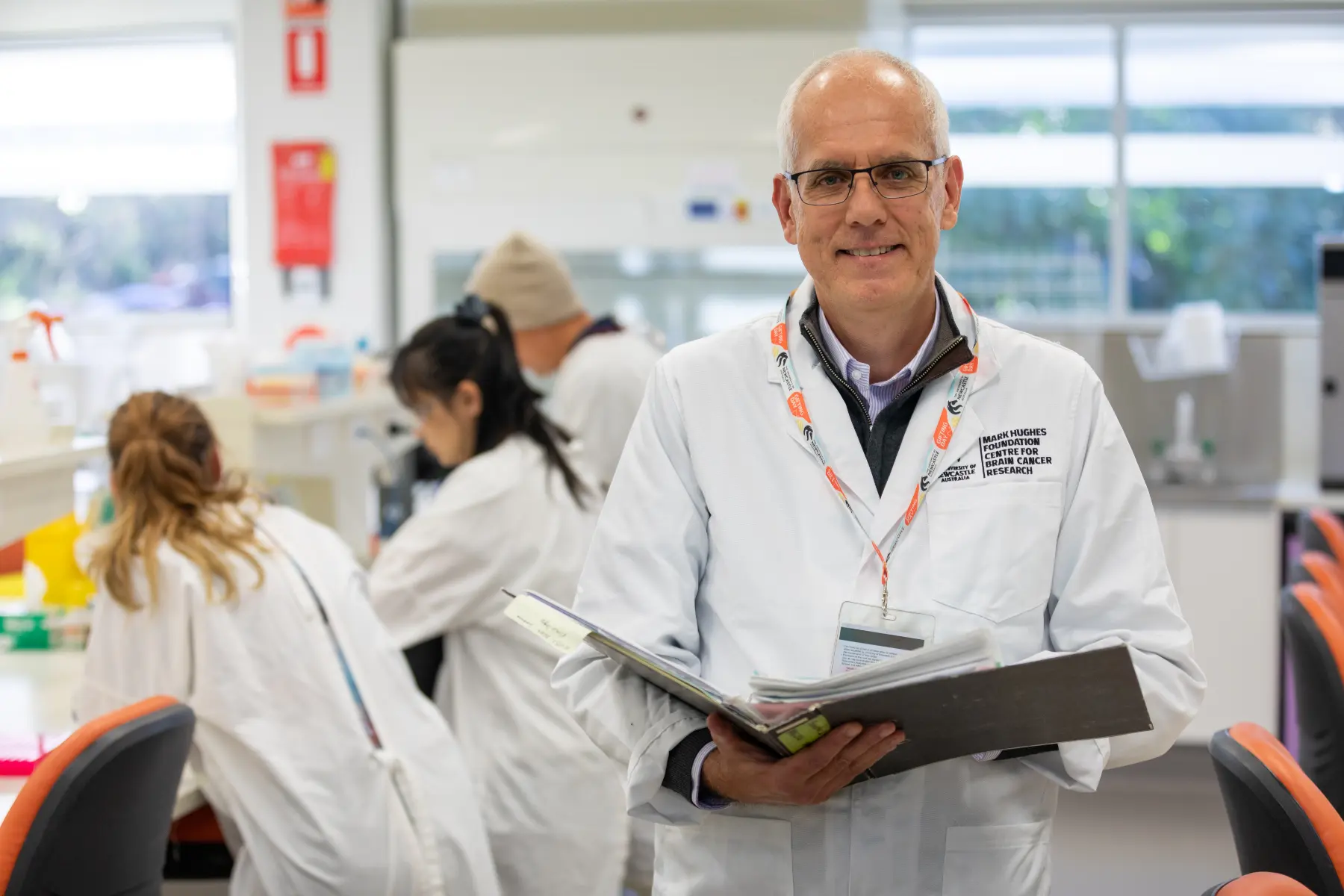
Following a career in nursing caring for the aged and disabled, Bekki has turned their focus to the challenges of glioblastoma through a PhD at the Mark Hughes Foundation Centre for Brain Cancer Research at the University of Newcastle.
Bekki has been awarded funding to test a drug to see if it can make current treatments work more effectively, and also help protect healthy brain cells from damage.
Glioblastoma is the most common and lethal primary brain tumour, affecting approximately 63% of the 1500 newly diagnosed brain cancer cases annually in Australia.
“Current treatments for globlastoma are often ineffective because existing therapies can’t fully target the tumour, and the nerve cells in the brain can stimulate cancer cells to keep growing” Bekki says.
“If this research is successful it could lead to a treatment that not only fights cancer more effectively, but also potentially protects healthy brain tissue and reduces the harmful side effects that impact a patient’s quality of life,” Bekki adds.
Importantly, Bekki notes: “The findings of this project could pave the way for clinical trials and bring us closer to a personalised therapy that improves both survival and preserve brain function.”
Facts about Glioblastoma (GBM):
- Despite standard-of-care treatment involving surgery, followed by radiotherapy and chemotherapy, median survival remains approximately 14 months.
- This poor prognosis is primarily attributed to GBM’s infiltration into surrounding brain tissue which challenges surgical excision and facilitates rapid tumour recurrence, typically within 9 months.
- Therapeutic outcomes for GMB have remained unchanged for decades, highlighting the urgent need for novel, mechanism-based interventions.
- Current treatments not only fail to prevent recurrence, but also damage healthy brain tissue, resulting in a range of cognitive deficits and diminished quality of life.